- Home
- GPM
- TRMM
-
Science
- Science Overview
- Research Topics
- Storm Structure and Mesoscale Dynamics
- Precipitation Microphysics
- Global Water Cycle
- Climate Change
- Precipitation Algorithms
- Radar Algorithms
- Radiometer Algorithms
- Combined Algorithms
- Multi-Satellite Algorithms
- Applications
- Meetings
- Data Access
- Resources
- Education
Keyword: water cycle
Article: The Global Reach of GPM: For Good Measure
This page will automatically redirect you to the video "For Good Measure" on the Precipitation Education section of this site.
If you are not redirected, click here
Article: GPM: The Fresh(water) Connection
This page will redirect you to the "GPM: The Fresh(water) Connection" video.
Click here if you are not redirected.
Video: GPM: The Fresh(water) Connection
Video File:
Your browser is not able to display this Flash video. Click here to download the latest version of Flash.
Download Video:
GPM_Promo_2012_720.f4v
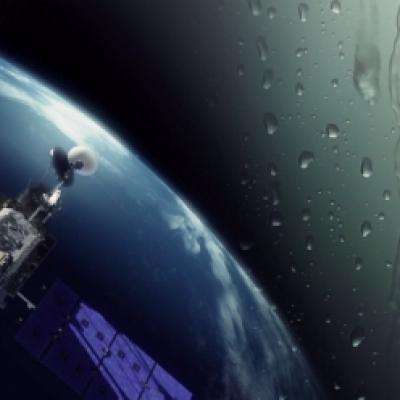
In this video NASA scientists discuss why it is so important to study and track Earth's freshwater resources, and explain the purpose of the Global Precipitation Measurement mission.
Image: The Water Cycle
Image Caption:
Earth’s water continuously moves through the atmosphere, into and out of the oceans, over the land surface, and underground.
Source: NOAA National Weather Service Jetstream.
Credits:
NOAA
Article: The Global Water Cycle
How Water Moves
The water cycle describes the movement of water over, above and below the Earth’s surface. Water can easily change between any of its three states: vapor, liquid and ice. Its phase transitions among the gaseous, liquid and solid states dominate the behavior of the weather, climate and environmental systems. The way water moves between all three phases is a powerful vehicle for rearranging Earth’s energy budget.